
A shutdown won't touch your Social Security check — here's why
| ||||||||||||||||||||||||||||||||||||||||||||||||||||||||
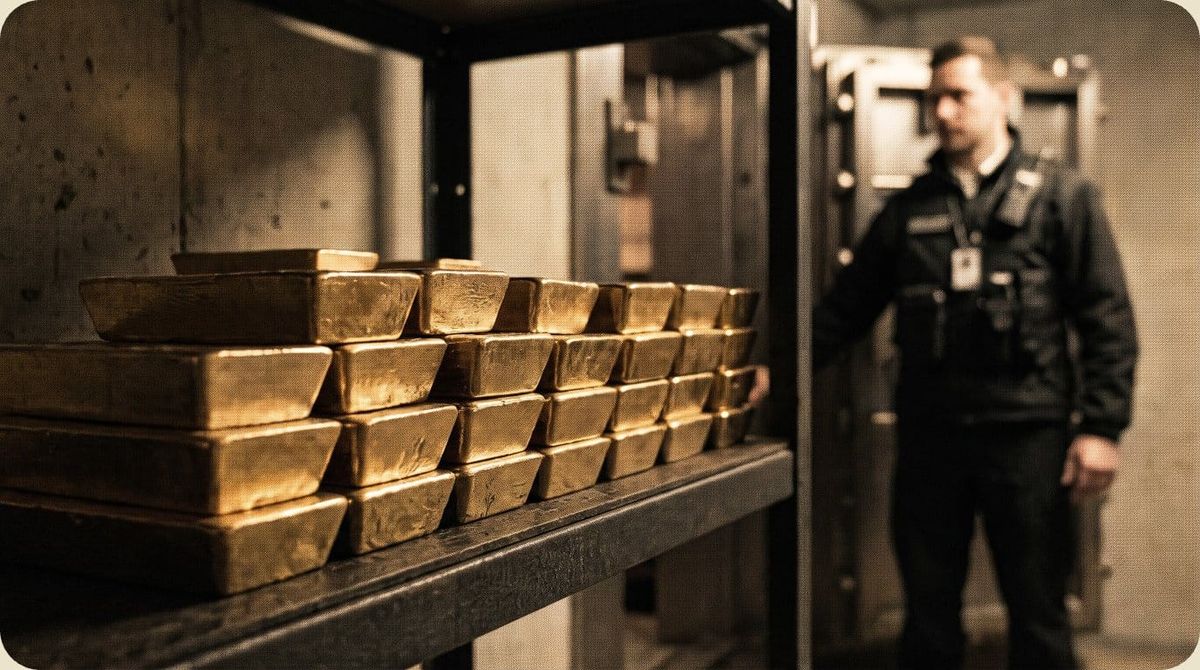
Above the Fold Why gold keeps setting records Gold has pushed into record territory, around $4,380 an ounce, and the buyer doing the most to push it there is not a nervous family in Texas. It is the world's central banks. They bought a record 289 tonnes in the second quarter alone, up better than sixty percent from a year before, and a strong majority of them say they plan to keep adding. Governments that once parked their reserves almost entirely in dollars are spreading out, wary of heavy borrowing and shifting policy, and gold is where a lot of that money is going. 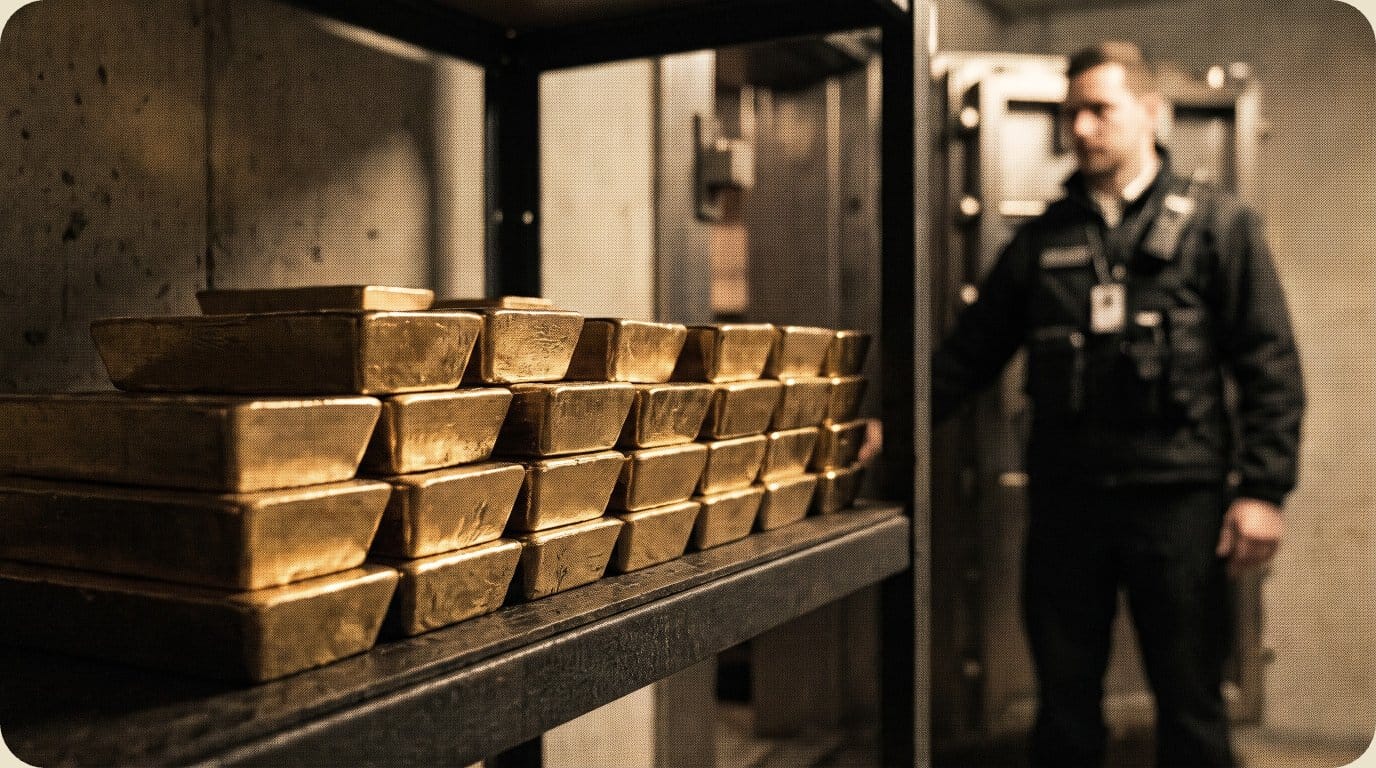 A record price is exciting, and excitement is usually the worst reason to buy. Here is how I think about the yellow metal, plainly. Gold pays no interest and does nothing productive; it just sits in a vault and holds its nerve when paper money loses some of its shine. That makes it insurance, not a paycheck. I keep a small slice of it the way I keep a spare tire in the truck, five or ten percent, no more, and I do not add to it because a headline says it tripled. The lesson in gold's run is less about gold and more about the world it reflects: big debts, warm inflation, and a lot of large players deciding they want something that no government can print. Own a little so a rough decade stings less. Chasing a record after it has already run is how people buy high and feel clever doing it. From Washington The shutdown that isn't happening, and your check Washington did something quietly sensible this month: it kept the lights on. With federal money set to run out at the end of September, both chambers passed a stopgap that funds the government through December 11 and pushed the harder spending fights past the November elections. So the shutdown headlines that tend to rattle people this time of year are, for now, off the table. The part worth holding onto is what a shutdown does and does not touch, because the fear is usually bigger than the fact. Social Security and Medicare run on mandatory funding that does not stop when Congress stalls, so those checks keep going out and benefits keep processing even during a lapse. What slows is the discretionary side: national parks, passport processing, some federal offices and paperwork. A shutdown is a real inconvenience and a hit to the workers caught in it, and it is not the same thing as the government missing a payment on its debt. I watched clients panic over this more than once and rearrange money they should have left alone. The funding vote is laid out at NPR. Money only, no politics.
Tomorrow Today The driverless cab pulls up to the math 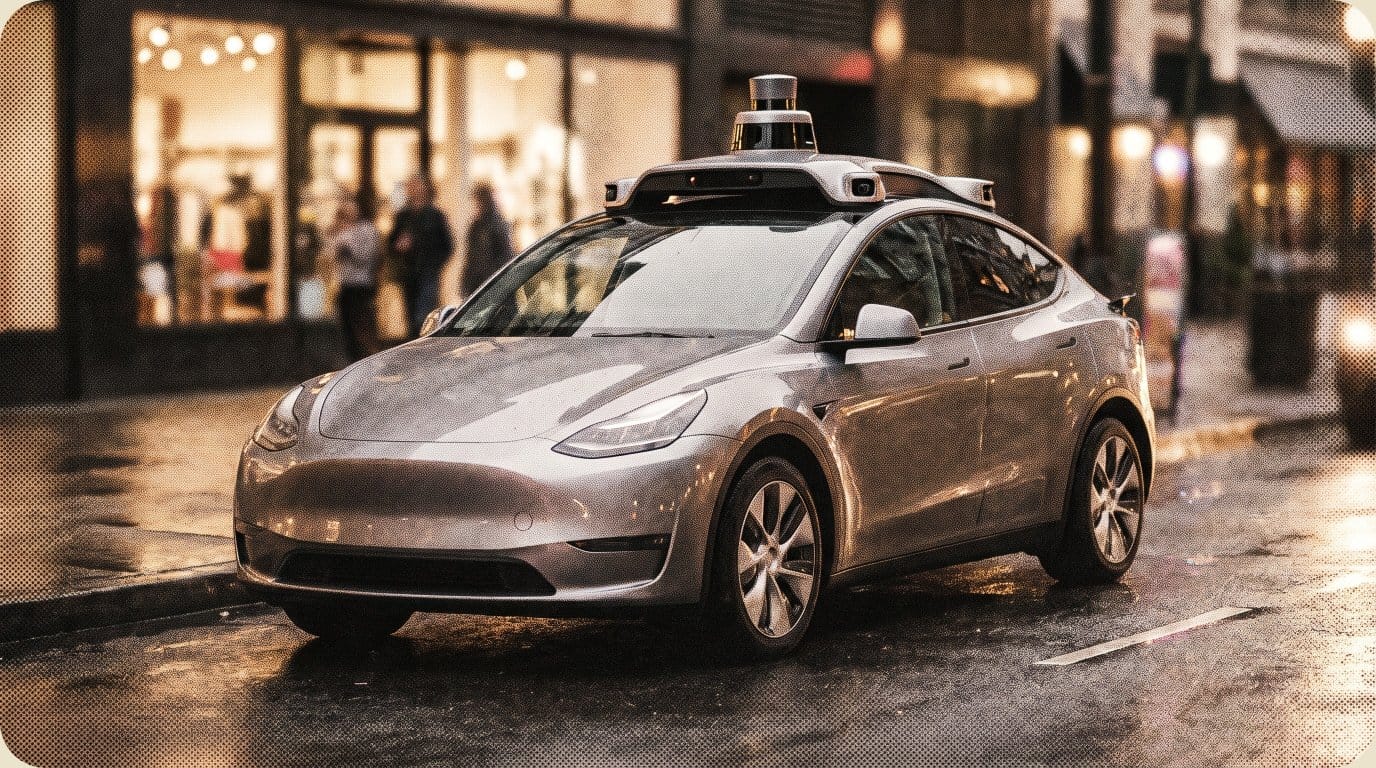 The robot taxi stopped being a demo this year and started being a business. Waymo now runs paid, driverless rides in fourteen U.S. cities, more than five hundred thousand of them a week, and it is eyeing a million by New Year's, with London and Munich on the list. Tesla is in the race too, though further back. A working service in more than a dozen cities is a genuine milestone. Here is where it eventually touches a budget. A car sits parked about ninety-five percent of the time and still costs many thousands a year to own, insure, and feed. In a dense city where a ride is always a tap away, the arithmetic on a second car, or any car, starts to wobble for some households. I am not selling the truck, and neither should anyone on a press release. The service covers a sliver of the country, the pricing is still finding its floor, and the little robotaxi stocks tend to run hotter than the actual roads they cover. I do not buy a company because its idea is thrilling. I watch the arithmetic, and this is arithmetic worth watching. Waymo's expansion is detailed at TechCrunch. The Five Five things worth a minute
The Long View A record is a thermometer, not a green light It is a quiet Sunday, so let me say the unglamorous thing out loud. When an asset makes headlines for hitting an all-time high, the instinct is to wonder how to get some. The steadier question is what the record is telling you. Gold at a record is a thermometer for a feverish world of big deficits and sticky prices, and central banks reading that thermometer the same way a careful household might. The reading is useful. The chase is not. I spent thirty-five years watching people buy things after they were already expensive and sell them after they were already cheap, always a step behind the story. The way out of that trap is dull and it works: own a little of several things that do not all move together, size each piece so no single one can hurt you, and then let the record-setters set their records without you along for every lurch. A spare tire in the trunk, a little gold in the mix, a plan you do not have to check on a Sunday. Run the numbers and the story changes. Mind what you keep.
| ||||||||||||||||||||||||||||||||||||||||||||||||||||||||
|