
Could a strait you'll never sail raise your grocery bill?
| ||||||||||||||||||||||||||||||||||||||||||||||||||||||||
Above the Fold The pump, not the ticker, ran the day Monday the thing steering the market was not an earnings report or the Fed. It was a shipping lane. Oil jumped after talks between Washington and Tehran broke down over the Strait of Hormuz, the narrow passage that carries a big slice of the world's crude, with the White House rejecting Iran's offer to reopen it. International Brent climbed almost three percent and U.S. crude pushed back above ninety-five dollars during the day before easing. Rising oil pulled bonds down and stocks with them. The 10-year Treasury yield touched 5.27 percent, a nineteen-year high, the S&P 500 fell about eight tenths of a percent, and the Dow shed 347 points. Gold, of all things, tumbled roughly four percent. 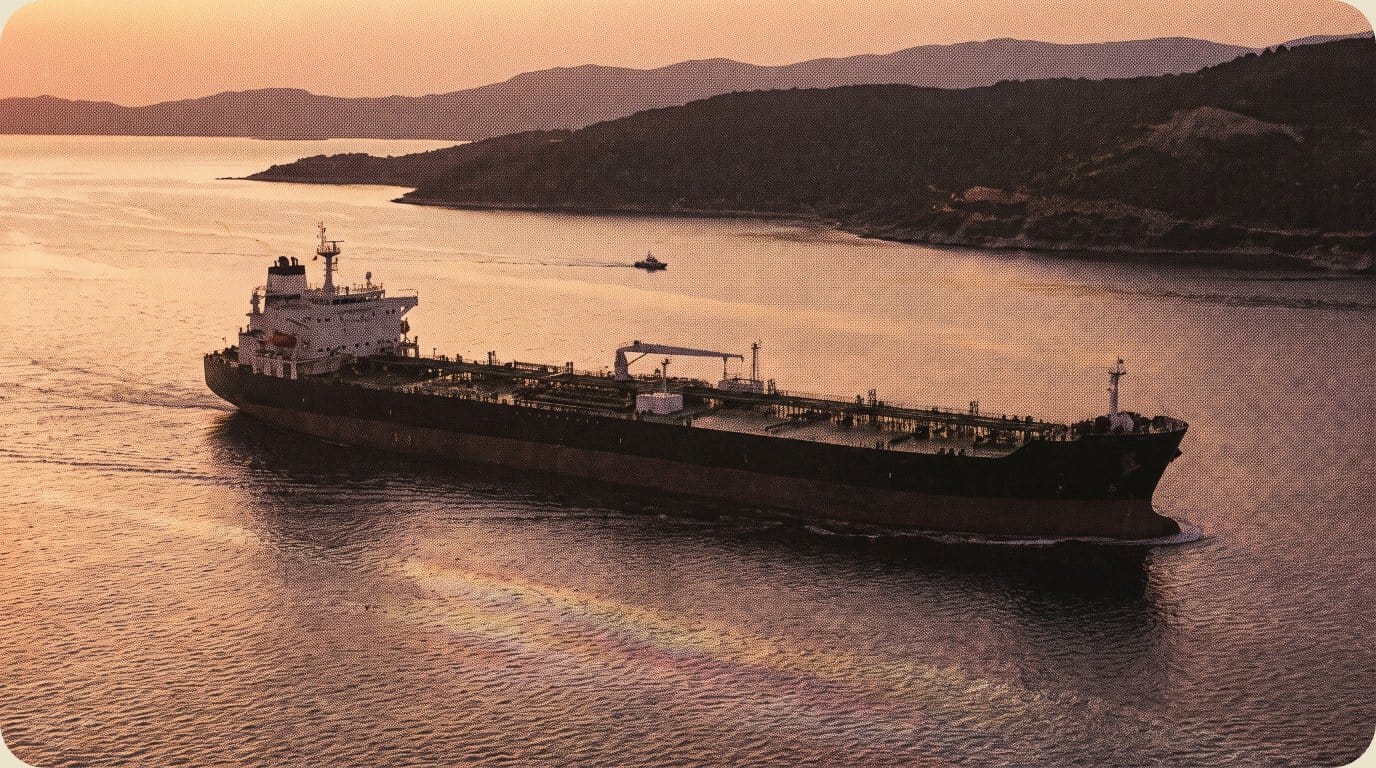 Follow that chain, because it ends at your house. A tanker that cannot pass safely through one strait means costlier crude, which means costlier gasoline, which lands on a national average already near four and a half dollars a gallon, which feeds the very inflation the Fed is squinting at this week. That is how a faraway waterway reaches your grocery run and your mortgage quote. I cannot tell you how the standoff ends, and I would not trust anyone who claims to. What I can tell you is that the useful response is the dull one. A full tank is not a hedge, but a household that is not stretched thin by its fixed bills can shrug off a bad month for oil, and one that is stretched cannot. Wednesday's inflation reading will show how much of this has already seeped through. From Washington The October 15 deadline with a tax break attached If you filed for an extension on your 2025 tax return back in the spring, the clock runs out on October 15. For most people that is the hard stop, no more extensions, and a return that slips past it starts gathering penalties and interest. Two weeks remain, so this is the moment to put it on the calendar rather than the moment to panic. Here is the part worth knowing, the part that turns a chore into an opportunity. That same October 15 date is a second chance to shrink last year's tax bill, not merely to report it. Anyone with self-employment income, a consulting check, a small practice, a bit of 1099 work in retirement, who filed a valid extension can still open and fund a SEP-IRA for 2025 right up to that extended deadline, put in as much as twenty-five percent of compensation, and deduct it on the 2025 return. I set up more than a few of these in the first days of October over the years, for folks who had no idea the window was still open. The timing is laid out in the IRS SEP-IRA guidance. Money only, no politics.
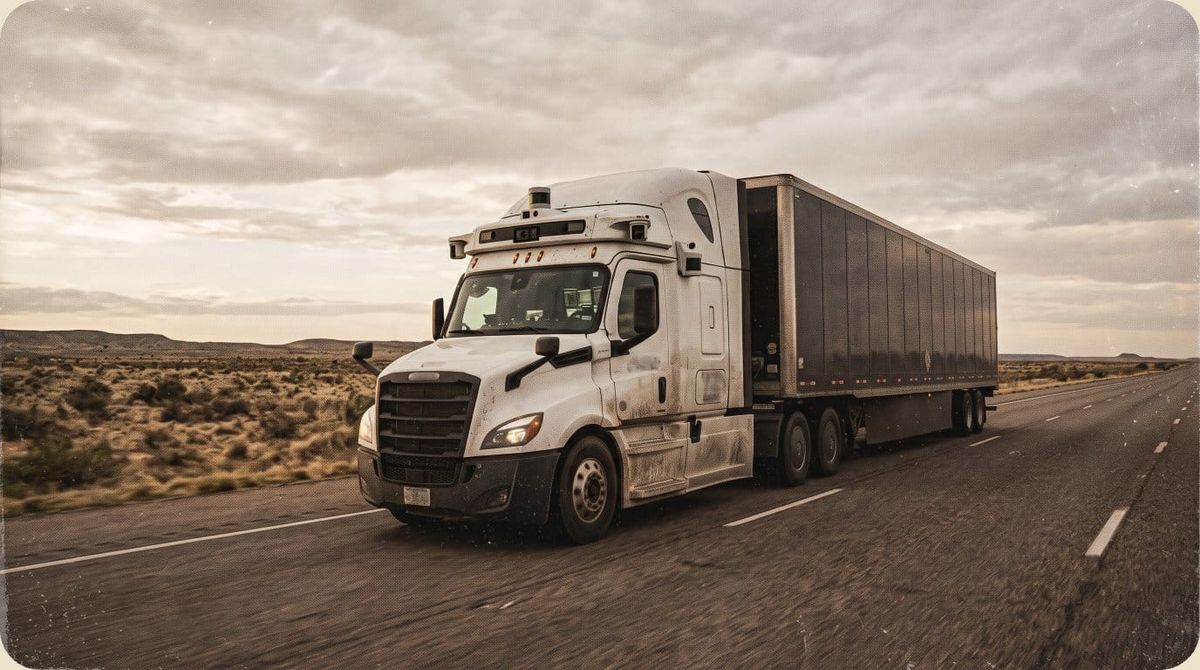
Tomorrow Today The 18-wheeler with nobody in the cab 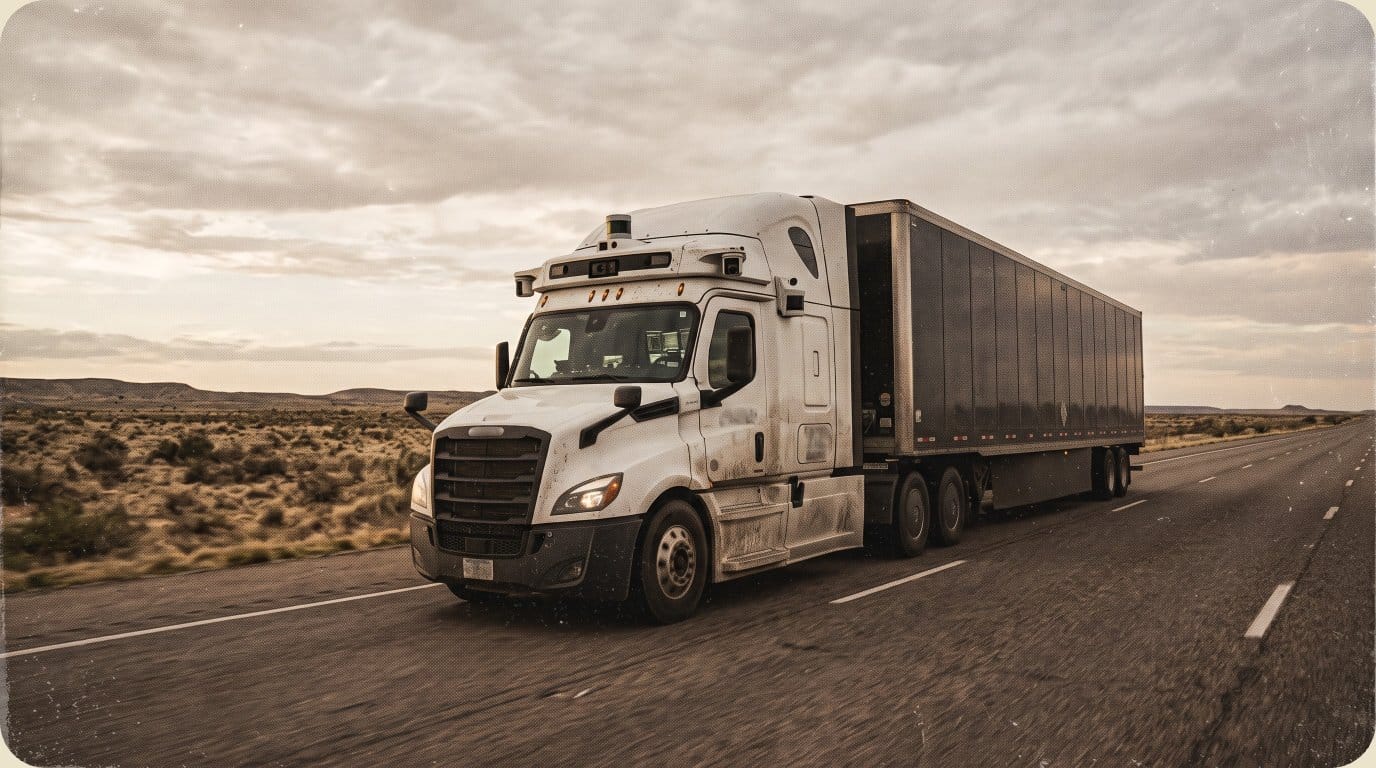 The driverless truck is arriving quietly, and ahead of the driverless car. Aurora is already running fully self-driving Class 8 trucks, no human in the cab, on the 240-mile freeway between Dallas and Houston, and it aims to finish this year with roughly two hundred of them and tens of thousands by the end of the decade. A competitor, Kodiak, says its own driverless long-haul launch is on track for the close of this year. These are eighty-thousand-pound rigs hauling real freight at highway speed, on public roads, today. Freight is a hidden line in nearly everything you buy, folded into the price of the food, the furniture, the medicine on the shelf. If machines can eventually move a trailer more cheaply and around the clock, some sliver of that saving could, in time, reach the checkout. That is the hopeful reading. The sober one has not changed. The companies chasing this have burned through enormous sums, their stocks lurch on every announcement, and a truck with no driver still has to prove itself over millions of miles and past a wary public. Watch the trucks with wonder. Keep any wager on the stocks small enough to laugh off. The details are in Aurora's own rollout update. The Five Five things worth a minute
The Long View The cost you can actually control There is an odd comfort buried in a week like this. So much of what moves your money is decided far away and well above your pay grade. A strait you will never sail. A bond auction you will never bid in. The private mood of a central banker. You can read every headline about all of it and change not one thing. So I have always steered by the opposite, the short list of things a household truly controls. Not the price of oil, but how exposed your budget is on the day oil jumps. Not the Fed's next move, but how much of your money sits in high-cost debt that the move makes heavier. Not the market's temper, but whether you are ever forced to sell into a foul one. Across thirty-five years I watched two families with nearly the same income end up in different worlds, and the gap almost never came from a brilliant call on rates or stocks. It came from one keeping its fixed costs low and its cushion full, so the world's chaos stayed the world's problem, while the other lived so close to the line that every distant shock turned up at the front door. You cannot calm the Strait of Hormuz. You can build a life that does not flinch when it flares. Mind what you keep.
| ||||||||||||||||||||||||||||||||||||||||||||||||||||||||
|