Four quiet moves this quarter that keep more of your money.
| ||||||||||||||||||||||||||||||||||||||||||||||||||||||||
Above the Fold A quiet week with one loud moment Good morning. Friday turned a weak jobs report into a rally. The Nasdaq closed at a record and the S&P 500 rose about three quarters of a percent, as traders decided that a cooling labor market means the Federal Reserve will ease off, and the promise of cheaper money ahead is catnip for stocks. This week looks calm on the calendar but carries one heavy moment. On Wednesday the Fed releases the minutes of its September meeting, the closest look yet at how split policymakers are over whether to raise rates once more. Earnings season also cracks open, with PepsiCo and Delta the first big names to report later in the week.  There is something backward about a market that cheers people losing their jobs, and it is worth saying plainly. Stocks did not jump because the economy got stronger. They jumped because a weaker economy pulls the Fed's hand off the brake. I keep my eye on the thing underneath the celebration, which is that the job market is cooling, and that is the signal that eventually reaches wages and spending. The minutes will be read like tea leaves on Wednesday. The earnings will tell a plainer story, because companies have to say out loud whether their customers are still spending. I pay more attention to what they say than to how the ticker jumps at it. From Washington If you buy your own health plan, brace for open enrollment For anyone who buys coverage through the ACA marketplace, rather than through an employer or Medicare, open enrollment for 2027 opens November 1 and runs through January 15 on HealthCare.gov. This year it arrives with a jolt. The enhanced subsidies that held premiums down since 2021 lapsed at the end of 2025, Congress has not renewed them, and insurers are seeking a median increase of roughly 15 percent for 2027, the second double-digit jump in a row. The sticker shock is already real, average premiums climbed sharply once the extra help went away, and the old income cliff at 400 percent of the poverty line is back in force, which means a household a single dollar over that line can lose its subsidy entirely. The move worth making is the unglamorous one. Do not let the plan auto-renew. Go back into the marketplace during the window, update your income estimate, and compare plans, because last year's cheapest option can quietly become this year's worst deal. I spent a good many Novembers helping people re-shop coverage they had rolled over without looking, and the savings were often real money. The window and the plans live at the HealthCare.gov enrollment page. Money only, no politics.
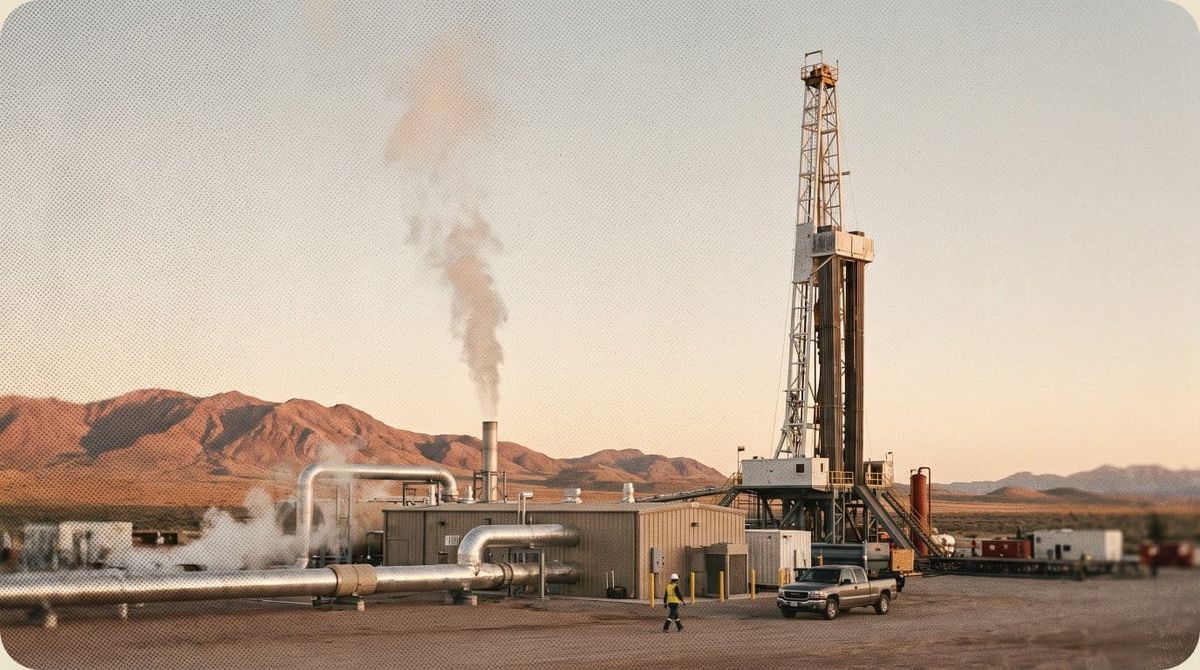
Tomorrow Today Clean power pulled up from four miles down  Last week a company called Fervo Energy flipped the switch on the first commercial power plant of its kind, in the Utah desert. It is an enhanced geothermal station, which means instead of hunting for a rare natural hot spring, engineers drill deep, crack the hot rock, and circulate water to pull heat up from miles below. They borrowed the horizontal-drilling tricks of the oil fields and built the thing in under two years. The first phase feeds the grid now, and the full project is contracted to power close to a million homes. What makes this one worth a look, more than most energy headlines, is that geothermal runs around the clock, rain or shine, the way a gas plant does but without the fuel bill. Cheaper steady power is exactly what keeps the lights on and, over time, holds down an electric bill. The sober note is familiar. Fervo is a young company, its stock swings hard, one plant in Utah does not remake the national grid, and the promise of powering a million homes is a contract, not yet a decade of proof. Watch the drills. Keep any wager on the stock small. The milestone is covered in the report at TechCrunch. The Five Five things worth a minute
The Long View The quarter where the quiet work pays The last three months of the year are where a surprising amount of the real money work hides. Not the headlines, not the Fed minutes everyone will pick apart on Wednesday, but the small, dull chores that carry a December deadline. Re-shopping a health plan. Taking the withdrawal the law requires. Deciding whether to sell a loser to offset a gain. None of it makes the news. Over thirty-five years I saw the same pattern arrive every autumn. The people who treated the fourth quarter as a season of small, deliberate moves, an hour here to re-check a plan, an afternoon there to square up the tax picture, kept noticeably more of their money than the ones who let December sneak up and then scrambled. The market will do whatever it does this week, and not one of us can change it. The quarter in front of you is a different matter, full of things you can change, quietly, before the deadline shuts the door. That is the work I would spend October on. Mind what you keep.
| ||||||||||||||||||||||||||||||||||||||||||||||||||||||||
|


