
Friday's jobs number could decide the Fed's next move. Here's the stake.
| ||||||||||||||||||||||||||||||||||||||||||||||||||||||||
Above the Fold The week builds to a jobs report the Fed cannot ignore Monday, and the week ahead has one date circled: Friday, when the government reports how many jobs the country added in August. It always matters, but this time it lands in a tense spot. On Friday the Fed's new chair used his big Jackson Hole speech to lean hawkish, stressing inflation over growth, and the market suddenly put the odds of a rate hike next month at better than even.  So Friday's jobs number becomes the swing vote. Hiring has been cooling for months, and a weak report would put the Fed in a corner: an economy losing steam while the people who set rates worry more about prices than jobs. A strong one hands the hawks their argument. I do not trade on a single Friday, but this is the sort of number that decides whether the loan you are carrying gets cheaper this fall or stays put, so I will be reading it closely. From Washington The tariff bill is quietly landing on your kitchen table Away from the headlines, a real cost is showing up in ordinary prices. The average American household is on track to pay more than $2,500 in tariff costs this year, up 43 percent from last year. Even after the Supreme Court struck down the broadest tariffs, the policy was rebuilt through other legal channels, and the small-package exemption that once let cheap imports in duty-free is gone. A tariff is a tax collected at the border, and in the end it is paid at the register. That is worth naming plainly, with no political fight attached: it is one quiet reason prices have stayed sticky even as the economy cools. I am not telling anyone how to vote. I am telling you to read the receipt, because part of what you pay now is a policy, not just a price.
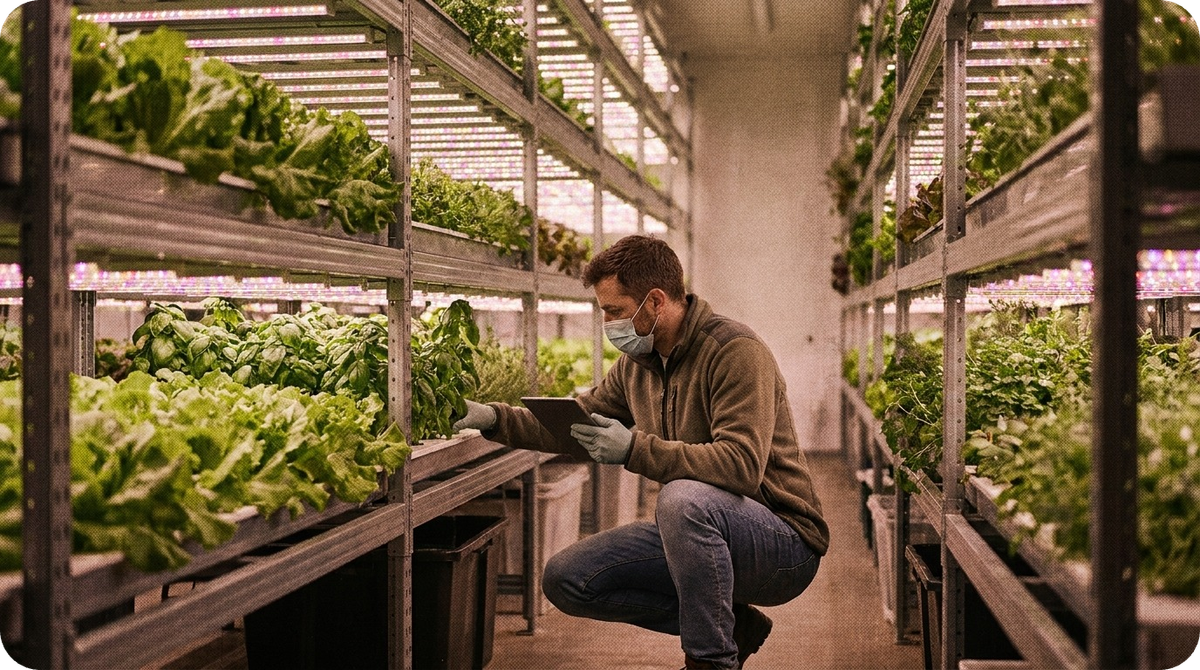
Tomorrow Today More of your salad is starting to grow indoors 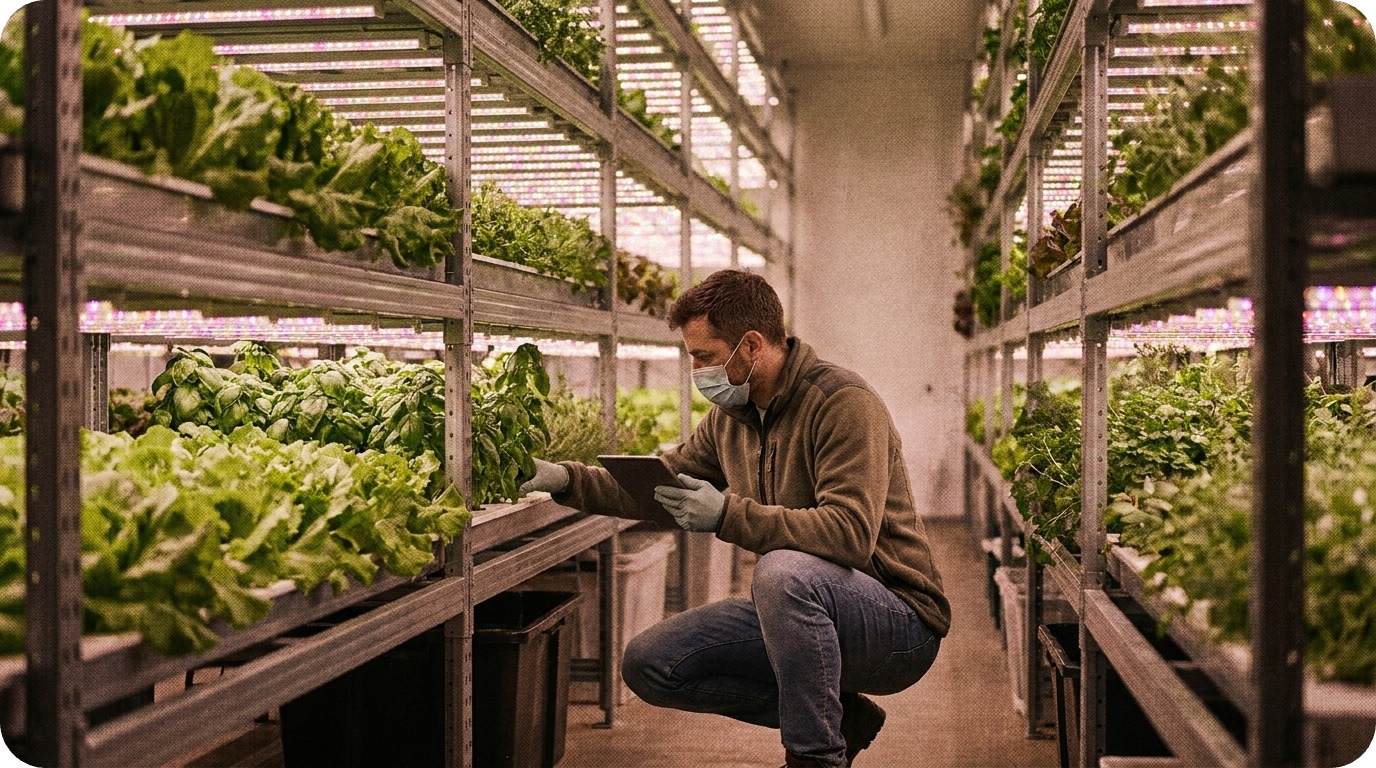 Consider a quieter kind of technology. Indoor vertical farms, where greens grow in stacked trays under LED lights instead of open fields, are scaling faster than most people notice. The market has roughly quadrupled its projected size for the decade ahead, and new farms keep opening, some using clever water and light tricks to cut both costs and pesticides. The promise is real: fresh produce grown close to the city, with a fraction of the water and land, and less at the mercy of weather or a long supply chain. The catch is the electric bill, because those lights run on power, the same bottleneck showing up everywhere lately. For a grocery shopper this will not lower prices tomorrow. But over years it could steady the supply of the leafy, perishable food that spikes first when a harvest fails. I like any idea that makes the food chain a little less fragile. The Five Five things worth a minute
The Long View What the jobs number really counts This week the whole country will treat Friday's jobs report as a market event, a number that jerks stocks and yields around for an afternoon. It is that. But strip away the ticker and a payroll figure is really a count of people: paychecks started and paychecks lost, families a little more secure or a little less. It lands the week before Labor Day, which is a fitting accident. I spent thirty-five years watching the working lives behind those numbers walk into my office, and the ones who slept best were rarely the highest earners. They were the ones with a cushion, a payment they could manage, and a habit of living a step behind their income. The Fed will read Friday's report for what it means about rates. You can read it for the older lesson: a job is the engine, but what you keep from it is the thing that carries you. Enjoy the long weekend, and mind what you keep.
| ||||||||||||||||||||||||||||||||||||||||||||||||||||||||
|