
The Fed's new chair speaks this morning. Everyone is listening.

| ||||||||||||||||||||||||||||||||||||||||||||||||||||||||
Above the Fold The Fed's new chair speaks this morning, and Wall Street is all ears This morning, in a valley under the Grand Tetons, the Federal Reserve's new chair, Kevin Warsh, gives his first big speech since taking the job, and the whole market is leaning in to hear it. Jackson Hole is where Fed chairs have long gone to hint at what comes next, and a first keynote is less about a single decision than about how the man in charge actually thinks.  What makes this one tense is the setup. Inflation is still above the Fed's 2 percent goal, and this week the Fed's own preferred gauge came in hotter than the headline numbers. At the same time, growth is softening and hiring has cooled. Three weeks before the next rate meeting, traders are not even sure which way the Fed leans, with some betting on a hold and a surprising number on another hike. I will not pretend to know what he will say, because as I write this he has not said it yet. I am listening for the tone, not a promise. From Washington The inflation gauge the Fed actually watches ran hot While the cameras point at Wyoming, the number that may matter more landed quietly on Wednesday. The Fed's preferred inflation gauge, called PCE, rose 3.7 percent over the past year in July, higher than the better-known consumer price index at 3.4 percent, and further from the 2 percent the Fed is aiming for. The same report showed Americans pulling back: spending barely rose, and what little growth there was went to services, not goods. So the picture is a stubborn kind of inflation meeting a tired shopper, which is the exact bind that makes the Fed's next move so hard to call. I watch PCE more than the headline CPI, because it is the ruler the Fed measures with, and right now that ruler is not cooperating.
Tomorrow Today The company the whole market now leans on 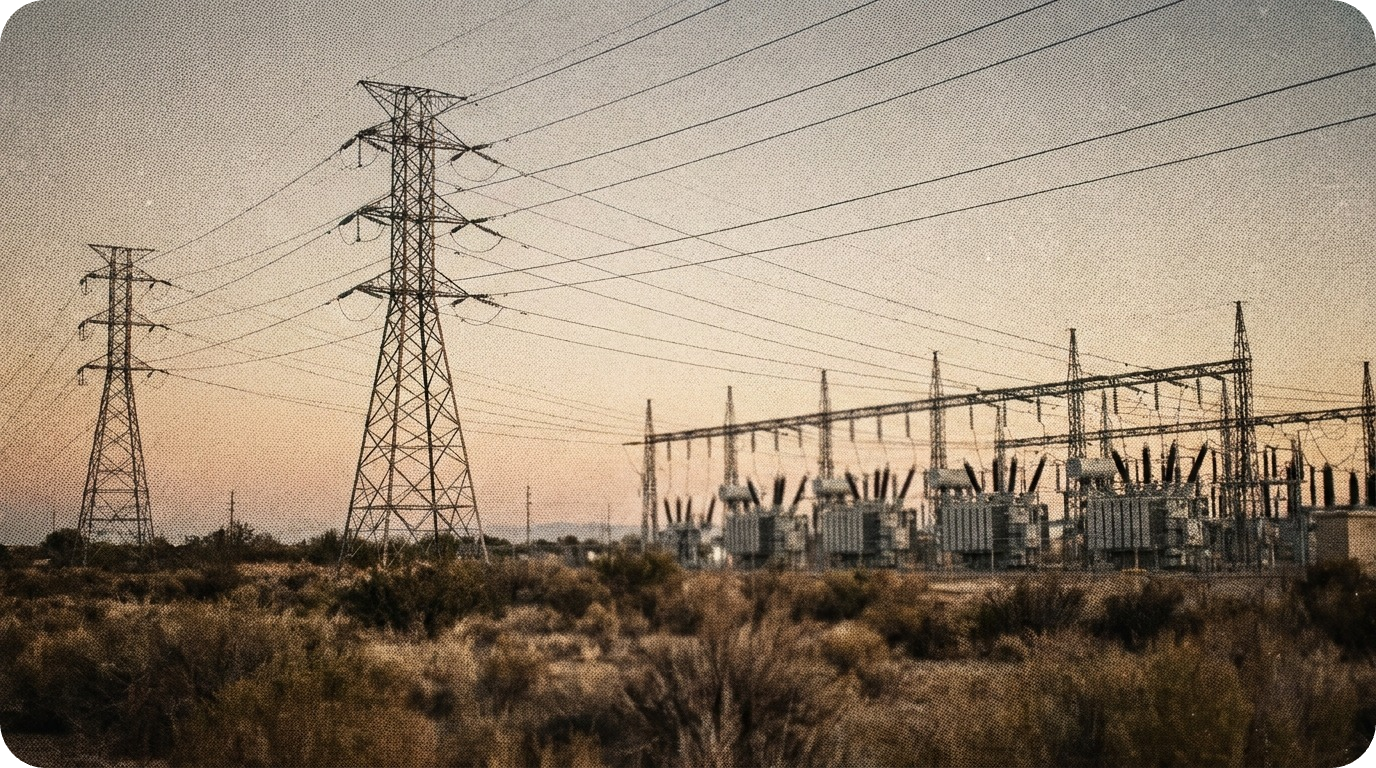 Nvidia, whose chips run nearly every artificial-intelligence system, reported blowout results on Wednesday: revenue of about $96 billion in a single quarter, more than double a year ago, with a forecast that topped every estimate. Amazon's cloud arm alone committed to buy two million of its chips, and the company's founder declared that AI has reached its inflection point. The part that gets less attention is the electricity. All those chips run on power, and the grid, not the silicon, is turning into the real bottleneck. That matters two ways: it can push up the utility bill you and I pay, and it means one company now carries an outsized share of the whole market. The growth is real, and so is the risk of that much riding on a single name. I own index funds partly so I never have to bet the farm on one story, however good it looks. The Five Five things worth a minute
The Long View A week that hung on two names Step back from five days of noise and the week came down to two things: one company's earnings and one man's speech. Nvidia's numbers moved the whole market on Wednesday, and this morning a new Fed chair can move it again with a single paragraph. That is a strange amount of power to sit in so few hands. I remember clients back in 1999 who owned five hot stocks and called it a portfolio, right up until the day they didn't. So I get wary when the whole story narrows to one name and one voice, because it usually means the crowd has stopped hedging. I am not predicting a fall or selling anything, only noticing the shape of it. The steady approach does not change with the headline: own a broad basket instead of the name of the moment, keep some cash you can reach, and remember that a market thrilled with one company is not the same as a plan that is sound. Mind the concentration, and mind what you keep.
| ||||||||||||||||||||||||||||||||||||||||||||||||||||||||
|