
The inflation number the Fed watches (and it isn't the CPI)
| ||||||||||||||||||||||||||||||||||||||||||||||||||||||||
Above the Fold This week, the Fed's own inflation number Wall Street starts a loaded week. More than ten Federal Reserve officials are booked to speak, all of them trying to explain last week's hawkish rate hike, and on Friday the calendar delivers the number that matters most to them: the PCE price index. Most people watch the Consumer Price Index, the CPI, because it makes the headlines. The Fed watches PCE. It weights a household's spending a little differently, tends to run a touch cooler than CPI, and it is the exact gauge tied to the Fed's two-percent target. When officials say inflation is still too high, this is the ruler they are reading.  Here is the plain version of what Friday can do. If PCE comes in warm, the case for another rate hike before year-end hardens, and the higher-for-longer world gets a little longer. If it cools, some of that pressure lifts. I do not try to guess the number, and I would gently suggest nobody bet the grocery money on it either. A single reading rarely changes a life; it changes the odds. What a household can actually do is unglamorous and it works: keep chipping at the debt that got pricier, keep the safe cash earning its keep now that it finally does, and let Friday's figure nudge the odds without nudging you off your plan. I read the wind. I don't try to become the weather. From Washington The drug cap that quietly saves real money One of the biggest changes to hit retirement budgets in years is already in force, and a surprising number of people have not noticed it. Medicare Part D, the prescription drug coverage, now caps what a person pays out of pocket for covered drugs at $2,100 for 2026. Hit that ceiling and the plan pays 100 percent of covered prescriptions for the rest of the year. It is worth sitting with how big that shift is. As recently as 2024, reaching catastrophic coverage took about eight thousand dollars out of pocket. A provision in the 2022 law pulled that down to a hard two thousand in 2025 and $2,100 this year, indexed to rise slowly from here. For anyone on a pricey specialty drug, that is thousands of dollars kept in a single year. On top of it, ten of the most common drugs, names like Eliquis, Jardiance and Januvia, now carry negotiated prices, in some cases well below their old list price. The one thing worth doing is checking, during Open Enrollment that opens October 15, that a plan actually covers the specific drugs in the cabinet. I spent years watching people overpay simply because nobody told them the rules had changed. The details sit at Medicare.gov. Money only, no politics.
Tomorrow Today The battery made from salt 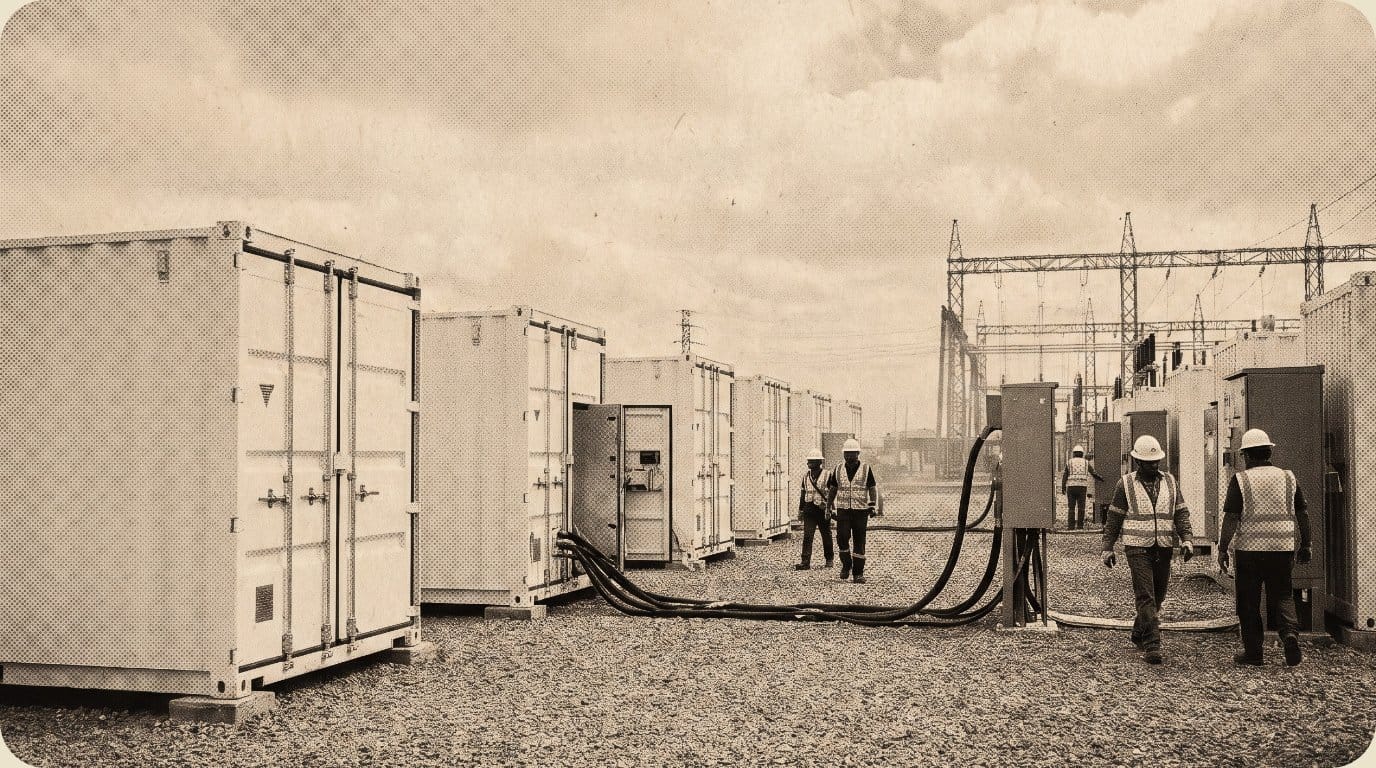 The battery that may matter most over the next decade is not the fanciest one, it is the cheapest. Sodium-ion cells, built from sodium (the stuff of common salt, abundant and everywhere) rather than scarce lithium, have reached roughly $55 to $70 per kilowatt-hour this year, a third or more below the going lithium rate. They tolerate heat better and catch fire less easily. The United States just opened its first grid-scale sodium-ion plant, and a startup is already wiring these packs into the power grid. The household angle is slow but real. Cheaper, safer storage is what makes electricity from the grid steadier and, in time, home batteries and even entry-level electric cars less expensive to build. I am not rewiring the house over it, and I would not chase the little battery stocks that always run hotter than the actual factories. A cost breakthrough in a cell is a wonderful thing and a long way from a dividend. I like watching a technology get boring and cheap, because boring and cheap is usually where the real money is saved. The story is laid out at MIT Technology Review. The Five Five things worth a minute
The Long View A busy calendar is not a to-do list A week stacked with a dozen Fed speeches and a marquee inflation report has a way of feeling like it demands something from you. It mostly demands that you leave things alone. All that noise moves the odds of what the Fed does next. It does not move the mortgage payment, the grocery bill, or the interest landing in a savings account this month. Those are set by the world as it already is, and the world as it already is has been clear for a while: borrowing is dear, saving finally pays, and neither turns on a single Friday number. I spent thirty-five years watching people confuse activity with progress, mostly around tax time, filing a flurry of moves in December that a quiet October decision would have handled better and cheaper. The calendar is loud this week. The right response to a loud week is usually a quiet plan: know which way the rates lean, point the household into that wind, and let the speeches and the prints scroll by. Read them if you enjoy it. Just don't let a busy week talk you into busy hands. I've seen this on enough tax returns to know where it goes. Mind what you keep.
| ||||||||||||||||||||||||||||||||||||||||||||||||||||||||
|