
The line in today’s inflation report that hits heating bills
| ||||||||||||||||||||||||||||||||||||||||||||||||||||||||||||||||||
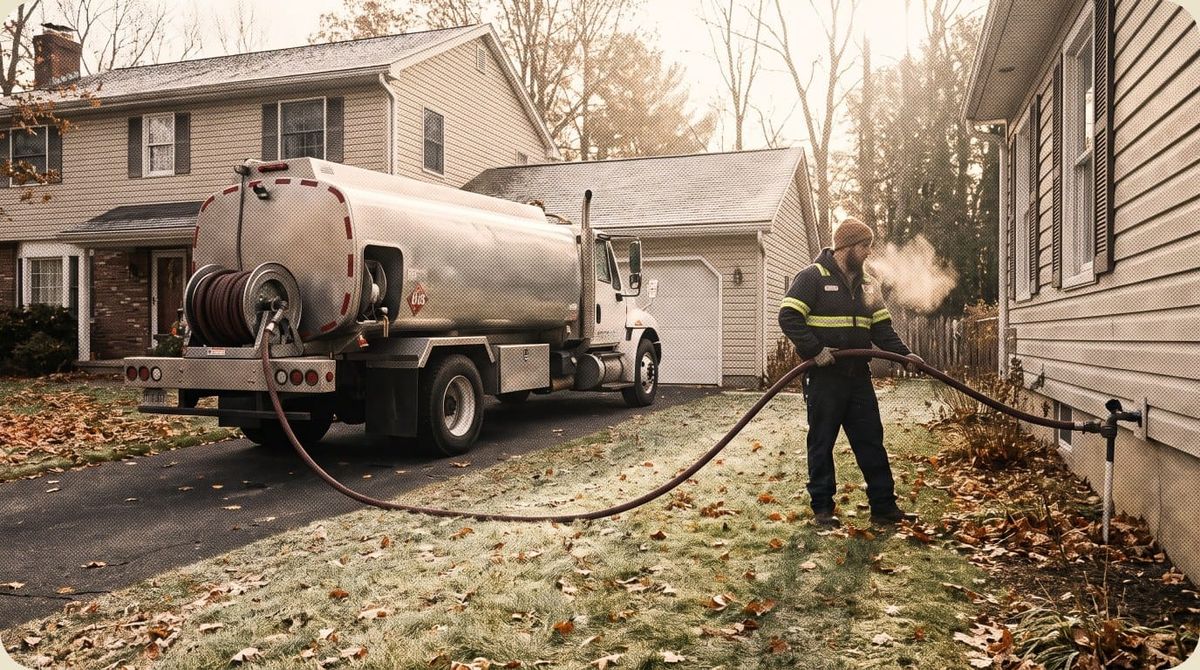
Above the Fold Gasoline pushed inflation to 3.7% Consumer prices rose 0.6 percent in September, and the yearly inflation rate climbed to 3.7 percent from 3.4 percent, the Labor Department said Wednesday morning. Economists had expected about 3.6 percent. Gasoline did most of the work. The gasoline index jumped 9.1 percent in a single month and accounted for more than half of the overall increase. Over the past year, gasoline is up 34.2 percent and fuel oil is up 74.2 percent. 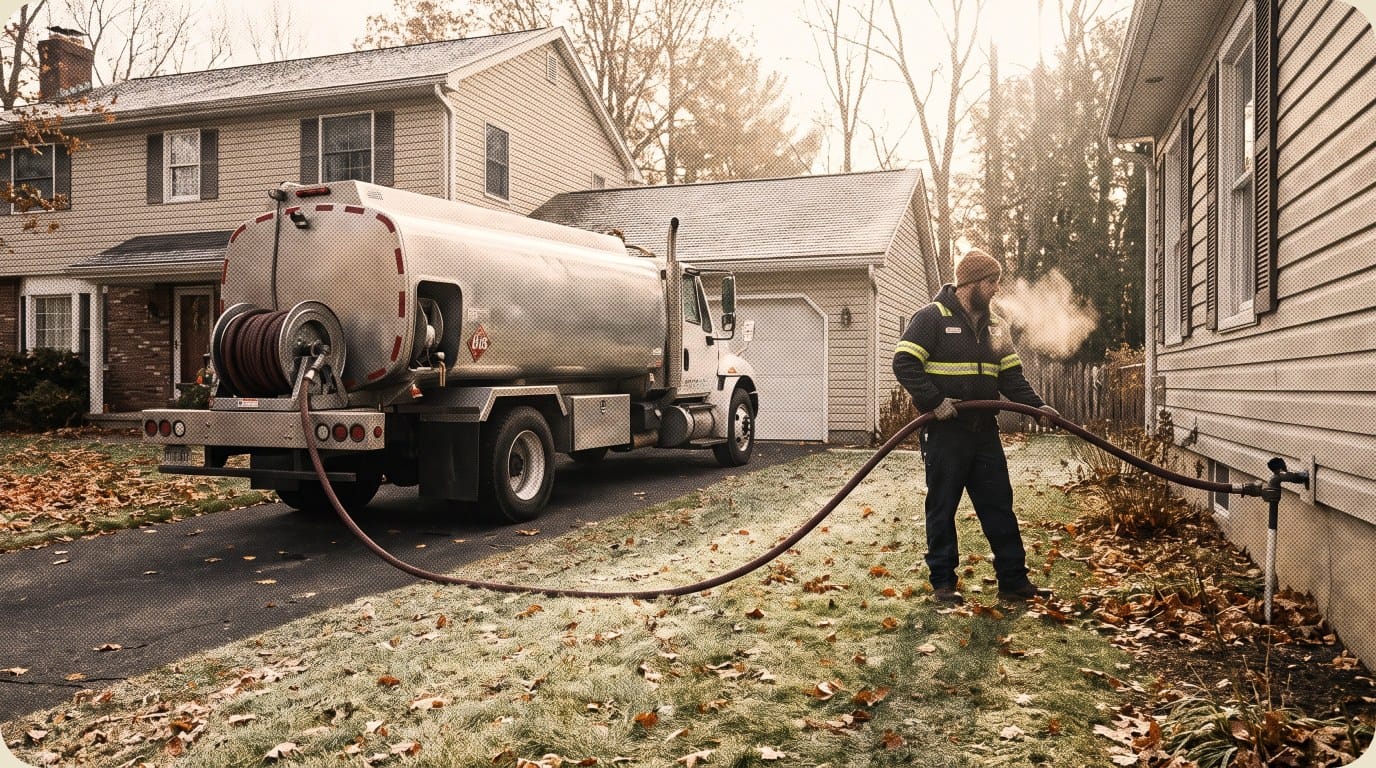 Strip out food and energy and prices rose 2.6 percent over the year, up from 2.4 percent in August. That number moves slowly, and it moved the wrong way. Groceries were the one soft spot: food at home slipped 0.1 percent for the month, with beef down 1 percent and milk down 2 percent. Airfares tell a different story, up 22.4 percent from a year ago. The Fed meets October 27 and 28, and this is the inflation report it will carry into the room. I keep coming back to the fuel oil line, because a household that heats with oil will feel that 74 percent long before any economist does.
From Washington Social Security sets a 3.6% raise for 2027 The same report set next year's raise. Social Security announced a 3.6 percent cost-of-living adjustment for 2027 on Wednesday, the largest in four years, for more than 75 million people. This year's increase was 2.8 percent. The formula uses a narrower price index for wage earners, which rose 3.9 percent over the past year, and compares July through September with the same months a year earlier. Every $1,000 of monthly benefit grows by $36 starting with the January payment. The first claim on that raise is Medicare. The program's trustees project the standard Part B premium at $209.50 a month for 2027, up from $202.90, and the official figure is due later this fall. I am writing my January number down now, after the premium, and budgeting from that.
Tomorrow Today Saudi Arabia plans a bigger road around Hormuz 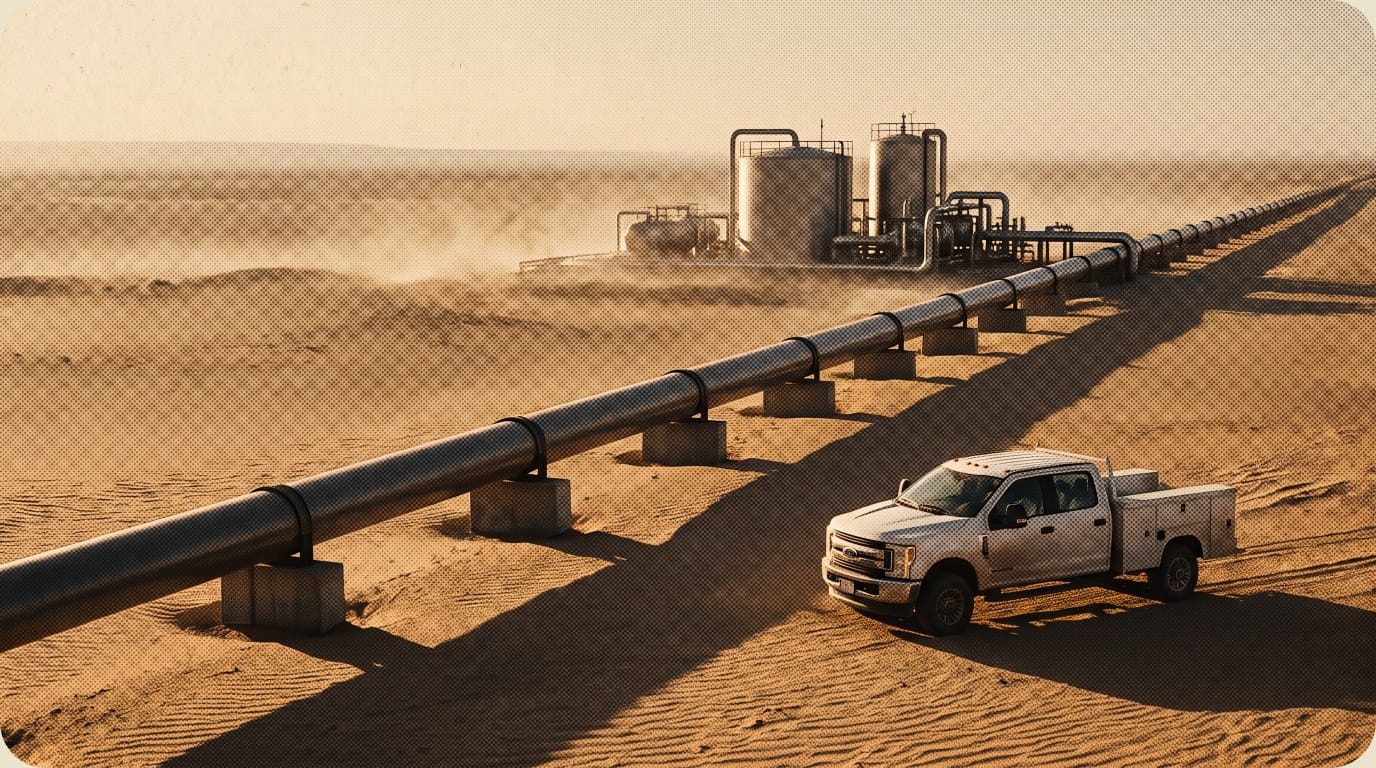 Saudi Arabia's energy minister said Monday the kingdom plans to double the capacity of its East-West oil pipeline to 10 million barrels a day within two to three years. The line runs across the desert from the oil fields of the Eastern Province to export terminals at Yanbu on the Red Sea, which lets Saudi crude skip the Strait of Hormuz entirely. Aramco says it is also studying more export routes and storage outside the kingdom. At the same Riyadh conference, U.S. Energy Secretary Chris Wright said crude moving through Hormuz has recovered to 80 to 90 percent of prewar levels, while refined products are moving at just 25 to 35 percent. That gap helps explain why fuels made from crude have stayed so expensive. Steel in the ground takes years, so I am not counting on this pipeline to lower anyone's fuel bill this winter.
The Five Five things worth a minute
The Long View A raise that is already spent A cost-of-living adjustment looks backward. The 3.6 percent arriving in January repays prices that already went up this year at the pump, the grocery store and the airline counter. It does nothing for whatever prices do in 2027. That makes it a catch-up payment, and I treat it like one. Years ago a client of mine in Fort Worth spent his January raise on a boat payment every winter, and every April the tax on his benefits caught him short. Run the numbers and the story changes. A raise looks generous on announcement day and thinner after Medicare, after taxes, after the furnace runs a few months. I do the subtraction first, then decide what is left to spend.
| ||||||||||||||||||||||||||||||||||||||||||||||||||||||||||||||||||
|