
Treasury will borrow $618 billion by year-end
| |||||||||||||||||||||||||||||||||||||||||||||||||||||||||||||||||||||||||||||||||||
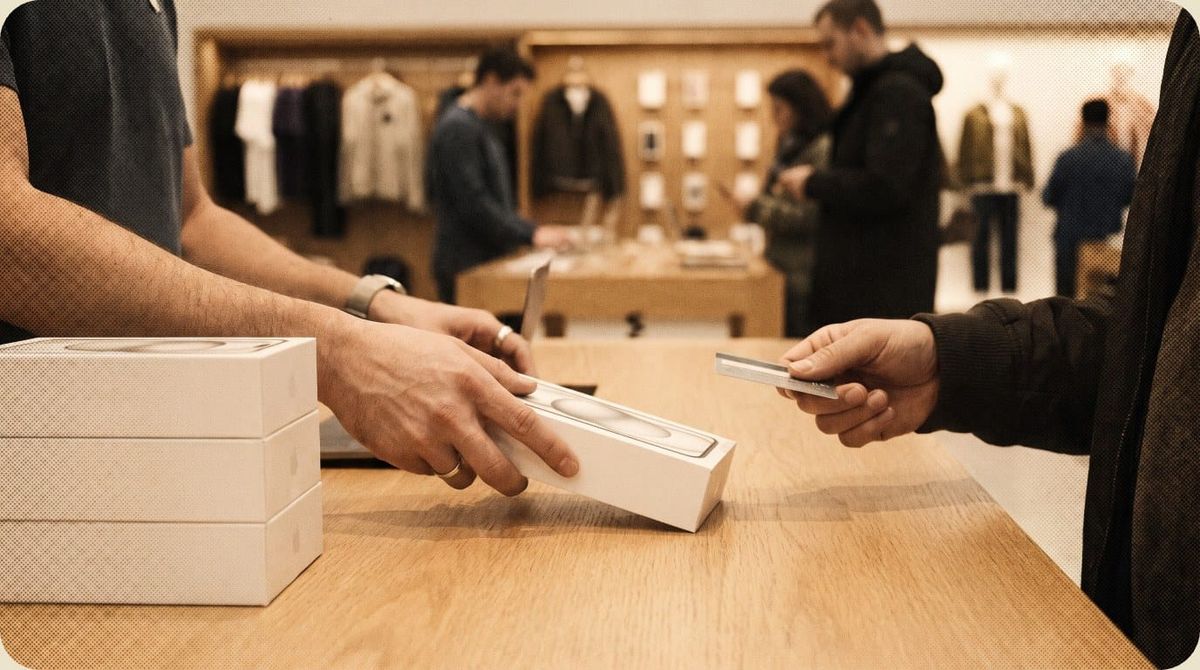
Above the Fold Apple raised prices. Buyers paid anyway. Apple reported a record September quarter after the close Monday. Revenue rose 12 percent from a year earlier to $114.5 billion, and iPhone sales climbed 17 percent to $57.6 billion even with supply running short. Mac revenue jumped 24 percent to $10.8 billion, and the services business, from app sales to iCloud storage, hit an all-time high of $31.6 billion. Those numbers came after Apple raised prices. The company changed what it charges for many Macs and iPads at the end of June and for the iPhone in September, a step Apple said it took reluctantly. Executives called memory chip pricing unprecedented and said the cost of memory keeps rising beyond the holiday quarter.  For the current quarter Apple expects revenue to grow 7 to 10 percent, which it says would be its best quarter ever. Profit margins are a different story. Apple guided to a gross margin of 45 to 46 percent, down from 47.9 percent last quarter, mostly because of memory costs. The shares had already fallen 1.8 percent in regular trading Monday and slid another 2.7 percent after the report. Apple also counts more than 1.5 billion paid subscriptions across its services. Higher prices that people keep paying are how inflation settles into a budget, one checkout at a time. From Washington Treasury will borrow $618 billion this quarter While voters head to the polls today, the Treasury Department laid out how much it plans to borrow. Treasury expects to borrow $618 billion in privately held debt from October through December, and $800 billion from January through March. It borrowed $742 billion in the quarter that just ended. The new estimate is $10 billion lower than the one Treasury gave in August, because the government started the quarter with more cash than expected. Strip that out and the underlying need is $24 billion higher. Treasury releases the details of how it will sell that debt on Wednesday at 8:30 a.m., and bond traders will be watching for any change in auction sizes. The 10-year yield closed Monday at 4.91 percent. I watch these borrowing numbers because they help set what savers earn and what borrowers pay on a car loan or a mortgage.
Tomorrow Today Palantir's business customers now outspend Washington  Data software company Palantir said Monday that its U.S. commercial business passed its U.S. government sales for the first time. Revenue for the third quarter rose 96 percent from a year earlier to $2.313 billion, ahead of the $2.17 billion analysts expected, and the company raised its full-year forecast to between $8.530 billion and $8.534 billion. Palantir built its name on government work, and earlier this year its Maven Smart System became an official Pentagon program. Its commercial business has accelerated sharply since. The stock still slipped about 3 percent after hours, following a 3.1 percent drop in regular trading, and it is up only about 2 percent this year. When a software company sells more to businesses than to the Pentagon, I take it as a sign corporate AI spending has moved past the trial stage.
The Five Five things worth a minute
The Long View The upgrade itch I spent a lot of years in Fort Worth watching people fight over a $25 bank fee while their phone sat on a two-year payment plan they had forgotten about. The fee felt like theft. The payment felt like part of the furniture. Apple's numbers say most of us are built the same way. A price that arrives once makes us grumble, and a price that arrives every month fades into the background, which is exactly why companies like to sell that way. I keep a phone until the battery tells me otherwise and read every recurring charge on the card statement twice a year. I've seen this on enough tax returns to know where it goes.
| |||||||||||||||||||||||||||||||||||||||||||||||||||||||||||||||||||||||||||||||||||
|


