
Employers cut 23,000 jobs in July. What it means for your mortgage.
| ||||||||||||||||||||||||||||||||||||||||||||||||||||||||
Above the Fold The jobs report that put a rate cut back on the table For months the worry ran one direction: rates too high, and a Fed so nervous about inflation that three of its own officials wanted to raise them again. On Friday the story flipped. The July jobs report showed employers cut 23,000 jobs, the first monthly decline in years, when forecasters had penciled in about 83,000 new ones. The unemployment rate held at 4.1 percent, and wage growth cooled to 3.2 percent over the year, the slowest pace since 2021.  Wall Street read one thing into it: the Fed's next move is more likely a cut than a hike. Stocks jumped to fresh records, gold ran to a new high near $4,350, and the two-year Treasury yield, the one that tracks Fed expectations most closely, slid to 4.33 percent. A lower yield there is the market betting on cheaper money ahead. I understand the cheer. Lower rates would ease the mortgage and the credit-card bill in time. But a weak jobs report is still a weak jobs report. Fewer paychecks is not the way anyone wants their loan to get cheaper, and one soft month is a hint, not a verdict. From Washington Next year's Social Security raise is shaping up smaller The same cooling inflation driving the rate-cut talk has another effect closer to the kitchen table. Early estimates for the 2027 Social Security cost-of-living adjustment now sit around 3.6 to 3.8 percent, down from the guesses earlier this year, because the raise is tied directly to inflation and inflation has slowed. At 3.8 percent, the average monthly check would rise about $74. Nothing is locked in. The Social Security Administration sets the final number in mid-October, once the July, August, and September inflation readings are in. The figure it uses tracks a basket that leans on working-age spending, which does not always match what older households actually pay, especially for medical care. A smaller raise sounds like less, and it is, but it also means prices are climbing more slowly. I would rather have a modest raise in a calm year than a fat one in a runaway year.
Tomorrow Today The quiet race to power all those data centers 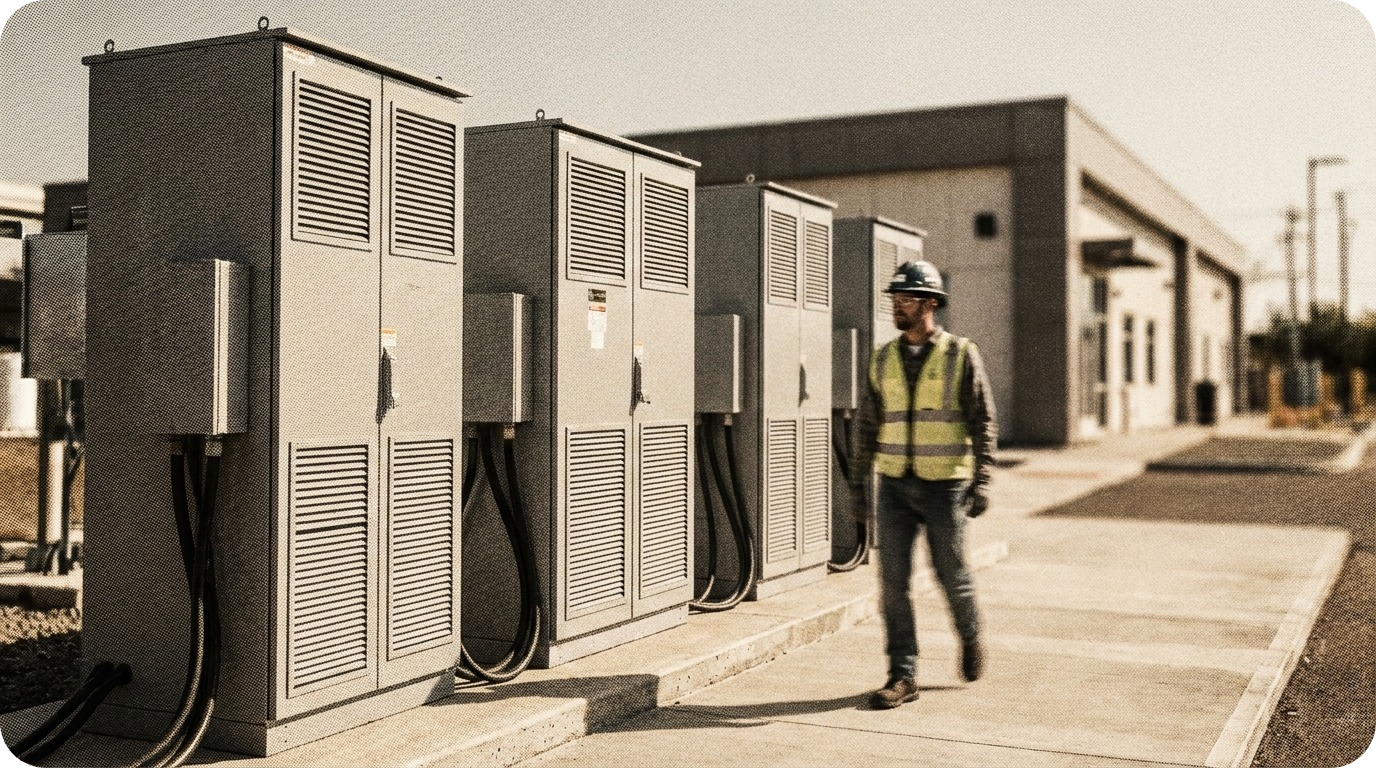 Every new burst of artificial intelligence runs on electricity, and the data centers behind it are straining local grids and nudging power bills upward. So the hunt is on for cheaper, steadier ways to feed them. This week researchers reported a fuel-cell advance that lets hydrogen cells run on a tiny fraction of the platinum they normally need, which is the expensive part, while staying stable and efficient. A lab result is a long way from a warehouse full of humming servers, and I have watched plenty of energy breakthroughs stall on the road to real use. Still, the direction matters to anyone who pays an electric bill. If the companies racing to build AI can power it without leaning entirely on the same grid you and I draw from, that is one less thing pushing your monthly statement higher. The story to watch is not the chatbot; it is the wall socket behind it. The Five Five things worth a minute
The Long View A weak number is about people, not just the Fed It is a strange thing to watch a bad jobs report send stocks to a record. The market cares about one question, whether money gets cheaper, and a soft labor market answers yes. But behind that 23,000 figure are real households where a paycheck stopped in July. The market's good day and their hard month are both true at once. I keep that in view because the numbers ran through my office for thirty-five years as faces, not statistics. I think of a Fort Worth family in 2009 who lost a job the same week their furnace died, and got through it only because they had a few months of expenses set aside and had not stretched for too much house. A cooling job market may well bring the lower rates so many are waiting on. It also earns its keep as a reminder to hold a cushion, because the cheaper loan does you no good if you cannot make it to the day it arrives.
| ||||||||||||||||||||||||||||||||||||||||||||||||||||||||
|